

Nyungwe Forest National Park
Nyungwe Forest National Park was declared a national forest reserve in 1933 by the German colonialists. As the population of people started increasing around nyungwe from various places of the country which became a threat to the forest because they used the forest resources such as hunting wildlife, collecting firewood. Illegal mining and cutting down timber. This caused a reduction of the parks size from 1,140 square kilometres to 1,019 square kilometres from 1958 to 1973 and by that time Rwanda had political instability.
In that period, the elephants and buffaloes were still habitats noy until the late 1999. The last buffalo was killed in 1974 while the last elephant was killed in 1999. In 1970 to 1980, some research was begun in nyungwe by biologists and various researchers. In the early 1980s the buffer zones of eucalyptus were established as the boundaries to mark off the boundaries with the communities. This was so in order to completely remove the need for firewood in the park.
The wildlife conservation society started the protection initiative of nyungwe forest in partnership with the Rwandan government. The project of protecting nyungwe was called, project de conservation de la Foret de nyungwe (PCFN). The society came up with some long term training and they habituated primates for tourism purposes. Trails were established within the park and the business centres that were established within the park was stopped immediately as well as the mining activity was stopped.
The first group of the colobus monkeys with over 400 individuals was confirmed in the park by the wildlife conservation society. Another survey was made about mammals, birds, reptiles, amphibians as well as plants. Later in 2004, the reserve was established as a national park and it was declared and confirmed as a national park in 2005. By that time it became the third national park of Rwanda after Volcanoes and Akagera National Park.
ACTIVITIES IN NYUNGWE FOREST NATIONAL PARK
Chimpanzee trekking
Chimpanzee trekking is the most famous activity within nyungwe forest national park and it is a must do while on a Rwanda safari. while on the primate safari in the park tourists are required to move into the forest in search of the habituated chimpanzees.
The chimpanzee trekking starts with a briefing at the park headquarters where after you will be allocated a chimpanzee family to trek as well as a park guide who will lead you while trekking in the forest. The trekking of chimpanzees takes 30 minutes to 3 or 4 hours and you will be able to see primates like L’hoests monkeys, olive baboons, vervet monkeys and a number of bird species.
Once the chimpanzees are located, you will spend an hour with them within their natural habitat which offers an opportunity to watch them breastfeed, mate, play, feed and interact with each other. After you can record moments and take photos as well. This is a captivating and interactive primate safari experience which offers a close connection with mans closest relatives hence making it a major highlight of an african safari.
Canopy walk
The canopy walk is one of the most unique experiences in nyungwe forest and it stands out in Rwanda safaris. The canopy is a suspended bridge 50meters above the forest floor. The canopy walk starts at Uwinka visitors centre which is also the parks headquarters. The hike is carried out into different sessions that is morning sessions which start from 8am to 10am and the evening sessions which start at 3pm. While at the canopy walk which takes 2 hours, tourists enjoy great views of primates such as blue monkeys, L’hoests monkeys, black and white colobus monkeys, vervet monkeys and various bird species among others.
Birdwatching
Nyungwe forest national park is a haven of 310 recorded bird species which include 29 Albertine rift endemic and migratory birds. the national park has well established birding trails and these include Karamba trail, Bigugu trail, gisakura trail and kamiranzovu trails which provide the best birding experience while on a Rwanda safari.
while on the bird watching safari, tourists will be able to spot a number of different bird species such as Newman’s warbler, handsome francolin, Grauer’s swamp, long crested eagle, eastern mountain greenbul, crowned hornbill, Ruwenzori nightjar and dwarf honey guide among others. This makes the birdwatching a major activity in Rwanda safaris thus adding depth to the african safari experience.
Monkey trekking
Nyungwe forest national park is home to over 300 monkey species which makes it the perfect safari destination in Africa for monkey trekking. golden monkey trekking starts with a briefing in the morning where a group is allocated a guide and then start trekking in the forest in search of them passing through orchids and marshes.
While the trek, you will observe various monkey species such as black and white colobus monkeys, red tailed monkeys, silver monkeys, vervet monkeys, dents mona monkeys and Angola colobus monkeys among others.
Nature walks
Nyungwe forest provides short nature walks trough the forest bushes with the help of an armed park ranger and an experienced park guide who is well knowledgeable with the park trails.
While on the nature walk, you will follow various trails such as Ngabwe trail which takes about 3 hours, Igishigishigi trail which offers tourists beautiful views of the forest, Bigugu trail which takes about 6 hours, Umuyove trail which takes about 2 to 4 hours, imbaraga trail which takes 6 hours, Isumo waterfall trail which takes 4 hours to complete it, kamiranzovu marsh trail which takes 3 hours, umugote trail which takes about 3 hours, muzimu trail which takes about 8 hours and Congo Nile divide which is the longest trail that takes about 3 to 4 days to be completed.
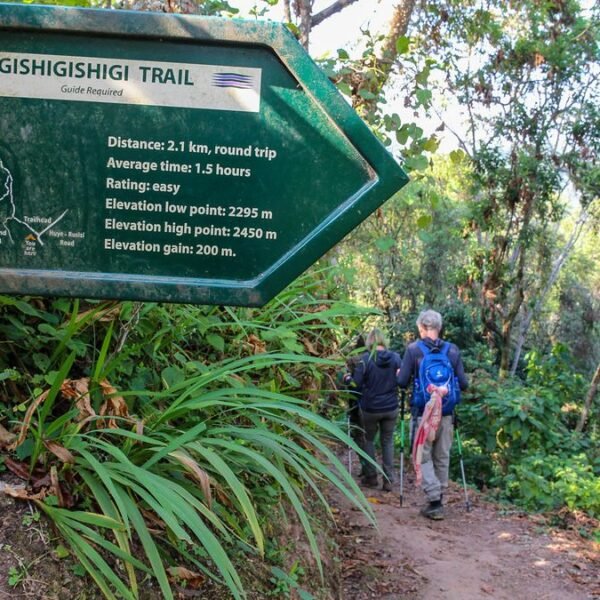
Nature Walks in Nyungwe
While on the nature walk, tourists will get a chance to enjoy panoramic scenery, view various primate species, colourful butterflies, birds, tree species, rocks, listen to the sound of birds singing in trees as well as enjoy the cool breeze among others. Therefore nature walks offer a slower and more captivating wildlife safari experience.
Camping
Camping within nyungwe forest is another amazing activity. This is the only option that one is able to spend a night within the national park. there is a campsite which is set at the Uwinka reception centre and it’s a tented campsite and tents are pitched on the wooden made platform but not like the house. The tent has no walls but covered on top to prevent the rain. Campfire is also available and modern toilets as well as bathrooms.



I had a great run yesterday and won big! The graphics are sleek and the gameplay is fair. I will definitely be coming back to korwin39
I’ve been playing here for a few weeks now and the payouts are surprisingly fast. Definitely one of the smoother experiences I’ve had lately. Check out br333bet8 if you want a reliable spot.
Finally found a reliable place to play. The interface is very user friendly and the payouts are legit. Definitely recommend sersanbetlogin to everyone.
Finding a reliable link is always a hassle but this one works perfectly. Great selection of games and very stable. Give betpkcasinolink a try.
I’ve tried a few platforms lately but this one really stands out. The interface is smooth and the payouts are surprisingly fast. Definitely my new go-to spot! Check out bv9999game.