
Akagera National Park
Akagera National Park is situated in the northeastern part of Rwanda along the border with Tanzania and it stands as a remarkable conservation success story. Akagera national park obtained its name from the river Kagera, which flows through the park.
Akagera National Park has an area cover of 1,122 square kilometres and mainly consists of savanna, woodland, marsh, swamps and montane forests. The national park is managed by akagera management company after a joint agreement was made in 2010 between Rwanda development board and african parks to manage the national park.
However, Akagera National Park was founded in 1934 by the Belgian government in the need to protect the remaining species of wildlife in the park that were under threat. The national park was initially 2,500 square kilometres and was popular for its rich biodiversity in flora and fauna species. Akagera national park was home to a wide range of wildlife species such as buffaloes, rhinos and leopard. The park was previously called “park of Lycanos” or rather “parc aux Lycanos” in French because of the existence of large number of wild dogs in the park. However, many of these wild dogs were killed by an epidemic within the park and the last of the species were seen in the park in 1984.
THE RECOVERY STORY OF AKAGERA NATIONAL PARK
In years following the Rwanda genocide, Akagera National Park faced a lot of challenges. A large number of Rwandan refugees returned back home after the genocide and settled down within the park. as a result to the encroachment of the land, a large part of the parks forest were cut down for timber, wildlife was hunted for bushmeat and the savannah woodlands were made grazing grounds for cattle.
Due to continuous poaching and acquisition of land within the park, over 25% of the forests were destroyed and the last rhino within the park was seen in 2007. Akagera national park had over 300 lions but with the many years of continuous poaching, it led to the extinction of these species until 2015 July when 7 lions were moved from phida private game reserve in south Africa. The 5 lionesses were donated by By and Beyond an NGO in south Africa. later two male lions were donated in the park by Tembe elephant park in KwaZulu Natal in south Africa. This project of conservation saw the reintroduction of lions back to the national park after 15 years of their absence.
Later 18 black eastern rhinoceros were translocated from south Africa to Akagera National Park in May 2017. The translocation which covered a distance of 2,485 miles saw the reintroduction of rhinos back to the national park after 10 years. This was a big achievement for the conservationists and the Akagera National Park staff. Besides the reintroduction of the rhinos to the national park, the staffs also underwent complete training in the planning, monitoring and tracking of rhinos so as to make sure the security, safety and multiplication of the species within the national park.
ACTIVITIES IN AKAGERA NATIONAL PARK
Game drives
Game drives are the most popular activities in Akagera National Park, where tourists are able to explore the park in a comfortable safari vehicle with a professional driver guide.
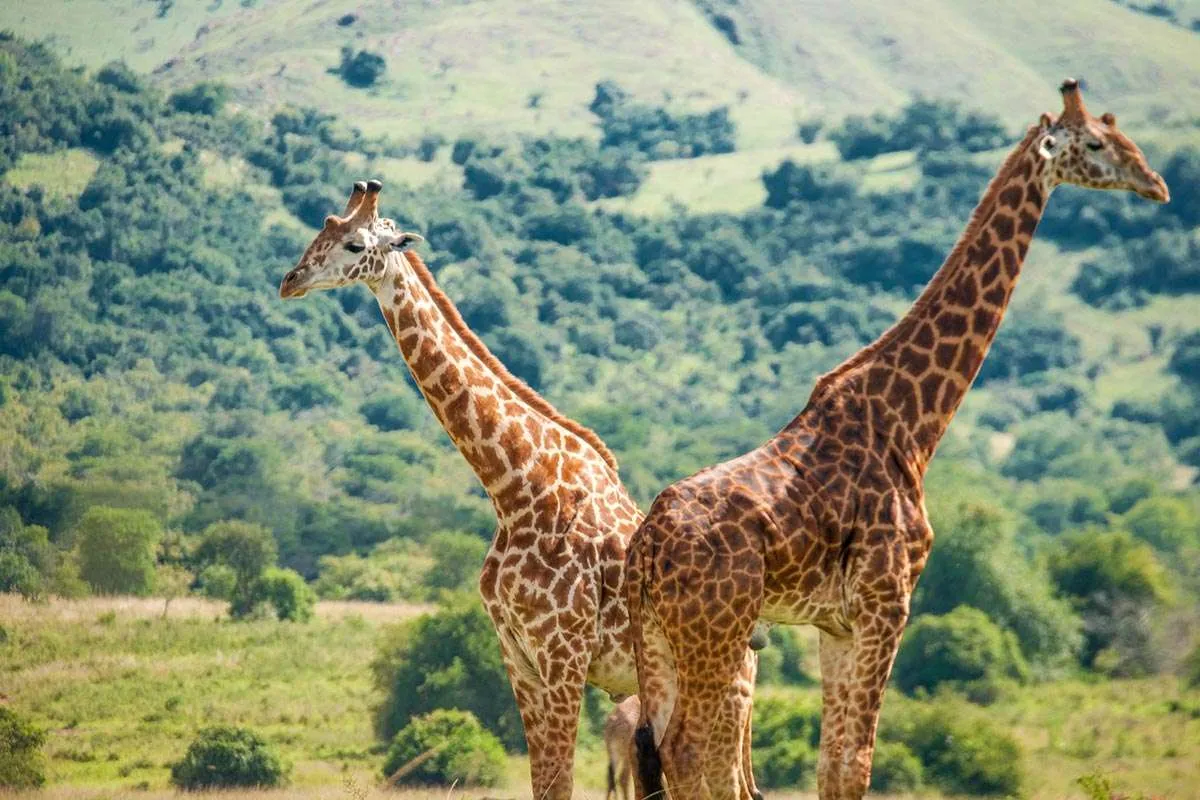
Game drives within Akagera National Park are carried out in the northern part of the park and can either be done in the morning or in the afternoon. While on a game drive you will follow different game tracks where you will observe animals like buffaloes, giraffes, lions, leopards, antelopes, waterbucks, elands, bushbucks, zebras, Topi and bushbucks among others.
The national park also offers night game drives where tourists are able to explore the national park with an armed park ranger and spotlight torches for clear observation of the nocturnal animals. The night game drive takes 2 to 3 hours and you will be able to see animal species like hyenas, serval cats, civets, lions and leopards among others.
Boat cruise
Boat cruise in Akagera National Park is carried out on lake ihema which is the biggest lake situated in the southern part of the park. The Akagera National Park has different schedules for the boat cruise that is morning, afternoon and sunset schedules.
While on the boat cruise safari, tourists are able to observe large concentrations of hippos and crocodiles in water, view other wildlife species such as waterbucks, elephants, buffaloes warthogs drinking water along the shores, aquatic bird species such as the elusive shoebill stork, herons, papyrus gonolek, malachite, african fish eagle and grey crowned crane among others
Birdwatching
Akagera National Park boasts over 525 recorded bird species such as savannah birds, endemic birds and migratory birds that make birding destinations in Rwanda. While on a bird watching safari, you will be accompanied by an experienced bird guide and follow various birding trails within the park.
While on the bird watching safari, you will spot various bird species such as shoebill stork, lesser kestrel, papyrus gonolek, long tailed cisticola, northern brown throated weaver, african kingfisher, yellow bellied Eremomela, red faced barbet, brown crested lapwing, african jacana, breasted roller, augur buzzard, ring necked francolin among others.
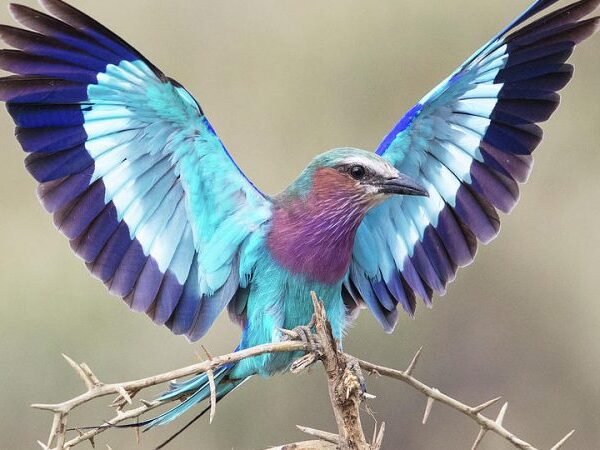
Lilac breasted roller
Nature walks
Nature walk is a captivating activity within Akagera National Park. while on the walk tourists are able to explore the park on foot with the help of an experienced park guide and an armed ranger to protect them from any harm. While on the guided nature walk that takes 2 to 3 hours, tourists will follow various hiking trails where you will be able to get up close and personal with various wildlife species, enjoy cool breeze, views of the beautiful hills listen to sweet sounds of bird species as well as take pictures among others
Sport fishing
Sport fishing in Akagera National Park is among the exciting activities in Akagera National Park. sport fishing at the park is carried out on lake shakani where you will catch and release various fish types such as tilapia fish, cat fish among others. Tourists who would love to engage in the activity are required to carry their own dishing equipments. This activity offers a more relaxing break from the active activities of an african safari.




Absolutely loving the experience here so far. The payouts are fair and the variety of games keeps me entertained for hours. Definitely my new favorite spot to unwind. auwombat88
Everything works perfectly on my mobile phone. I can log in and start playing without any lag or glitches. Really impressive performance! pkwe999login
The download was quick and the installation was a breeze. The game itself is addictive and looks amazing. Can’t wait to see the new updates! pk1947gamedownload
Finally found a platform that doesn’t lag during peak hours. The registration process was a breeze. Great job guys at phjljl1.
I used to struggle finding sites that actually pay out without endless verification steps. This one changed my routine completely since payouts land in my account within hours. Everyone deserves to know about bd27777
I’ve tried many sites but the user interface here is by far the most intuitive. Easy to navigate and easy to win. Visit 49betlogin for the best action.