
Gishwati Mukura National Park
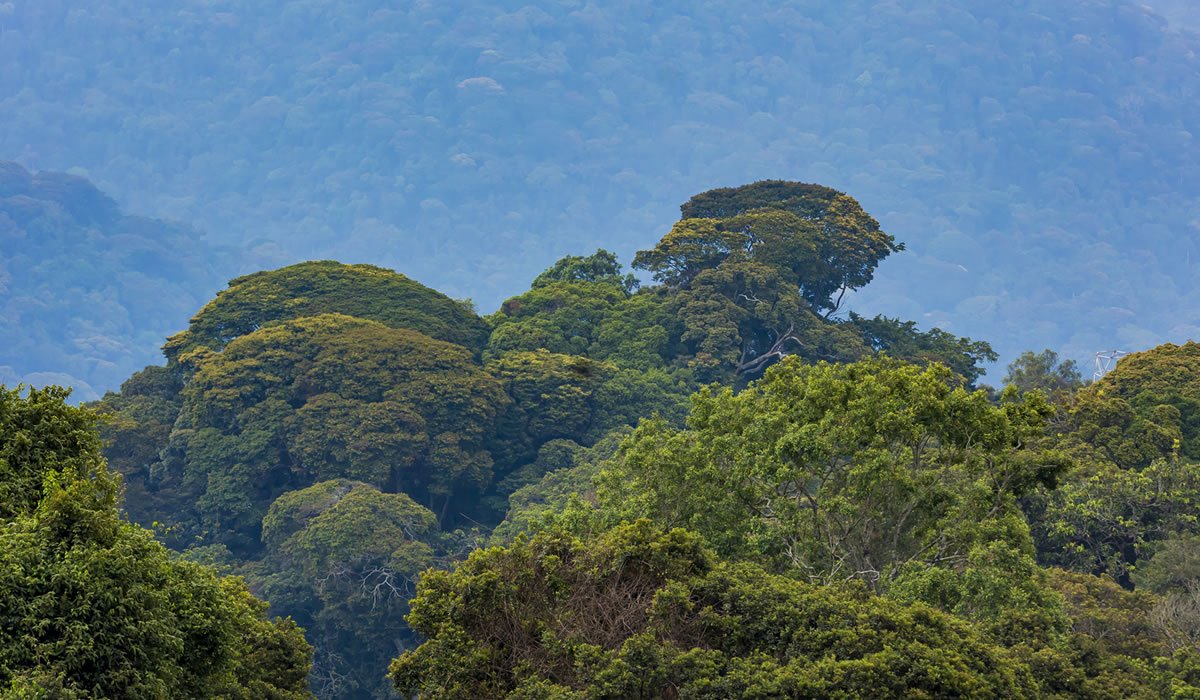
Gishwati Mukura National Park in Rwanda is the latest national park and the country’s most important conservation success stories. Situated along the Albertine rift in the western Rwanda, gishwati mukura was officially gazetted in 2015 thus bringing the two different forest reserves gishwati and mukura into a one protected area. the history of the national park shows both environmental degradation and a remarkable ecological restoration thus making it an extraordinary addition to the Rwanda safari.
Initially gishwati and mukura forests were part of an immersive tropical rainforest which expands all over the Albertine rift region. These forests were rich in biodiversity thus having a number of primates, birds and plant species. Following the Rwandan genocide, the gishwati forest faced serious degradation. Many people that were displaced settled in the region thus leading to an extensive deforestation for agriculture, illegal charcoal making and thus leading to habitat loss for wildlife.
The forest had reduced from its original size by the early 2000s. wildlife reduced significantly and the ecosystem was at risk of total collapse. This was the most challenging period in the history of the national park. in 2015, Rwanda officially formed the gishwati Mukura park by combining the reserves. This was carried out to strengthen conservation efforts, promote eco tourism and as well protect biodiversity within the Albertine.
With an area cover of 34 square kilometres, the park boosts with over 60species of trees including the indigenous hardwoods and bamboo home to over 20 chimpanzees as well as monkey species such as the golden monkeys, L’hoests monkeys, blue monkeys, red tailed monkeys and over 232 bird species and 163 species in mukura which include Albertine rift endemic species and forest species.
ACTIVITIES IN GISWATI MUKURA NATIONAL PARK
Chimpanzee trekking
Chimpanzee trekking is the major activity carried out in gishwati mukura national park and it’s the reason as to why its included on the Rwanda safaris. The chimpanzee trekking activity starts in the morning with a briefing from trained park guides who explain safety guidelines and trekking expectations. Tourists will then enter into the forest in search of the chimpanzees in small groups and accompanied with experienced trackers who are knowledgeable about their movements.
As you move through the dense forest, passing through the thick vegetation, listening to bird calls and following fresh tracks thus making the anticipation steadily to build. Decides the savannah game drives where animals are seen from a distance, chimpanzee trekking is a captivating on foot wildlife safari.
When the chimpanzees are located, yow will spend an hour watching chimpanzees swinging between tree branches, feeding on fruits and leaves, grooming each other and communicating through loud pant hoots and calls. Gishwati mukura gets less tourists thus making sightings feel more personal and exclusive.
Golden monkey trekking
Golden monkey trekking is another amazing activity within Gishwati Mukura National Park. these monkeys are amazing primates that are famous for their golden orange fur and vibrant personalities as well as endemic to the Albertine rift region. Trekking the golden monkeys is less challenging which makes it accessible to a wider range of tourists. As you move through the bamboo zones and forest borders, guides help to search for troops which are frequently easier to track because of their active nature.
Golden monkeys are highly energic and continuously in motion, jumping from branch to branch, chasing each other as well as feeding on bamboo shoots. Their playful behaviour and lively colours make them a favourite for wildlife lovers and photographers. The golden monkey trekking complements the chimpanzee trekking thus offering a light but rewarding wildlife safari experience.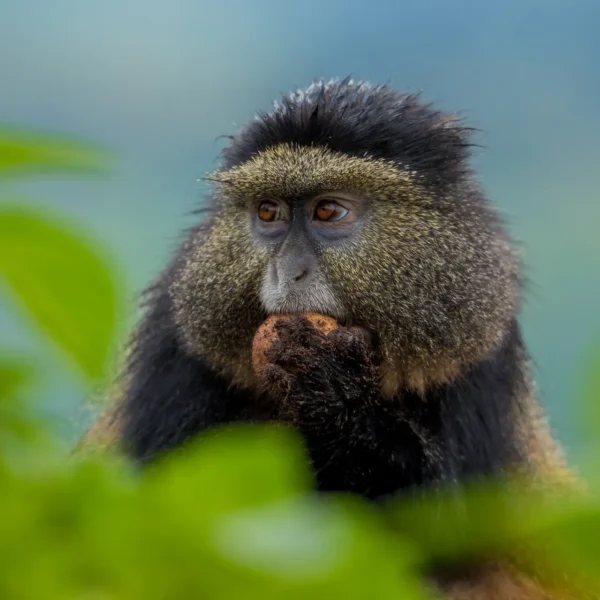
Birdwatching
Birdwatching in gishwati mukura national park is the most underestimated activity. With the existence of over 230 recorded bird species including many Albertine rift endemics, the park is a haven for bird lovers and a great addition to the Rwanda safari. the parks different habitats ranging from the dense canopy to open clearings form perfect conditions for a wide range of birdlife. Early morning walks are particularly more rewarding as the forest comes to life with birds calling.
While on a birdwatching safari, tourists can spot colourful turacos flying through the canopy, sunbirds feeding on nectar, rare Albertine rift endemics rare to the region. Bird species include black faced apalis, red faced barbet, martial eagle, short tailed warbler, handsome francolin, strange weaver, yellow eyed black flycatcher and among others.
Hiking waterfalls
Tourists who enjoy adventure and more scenic exploration, hiking in Gishwati Mukura National Park, provides a more rewarding way to experience the forest up close. The forest has established trails which move through the abundant vegetation, rolling hills and hidden valleys. Guided hikes take you deep within the forest where you can learn more about the ecosystem, medicinal plants and conservation efforts which have restored the forest over time.
Hiking the kazaneza waterfall makes the adventure more captivate for tourists who are interested in sightseeing. The trail to kazaneza waterfall offers a moderate challenging trek which rewards hikers with beautiful views and a calm sound of water falling over mass covered rocks. While on the trail, tourists encounter rare forest plantations featuring species like the Igishigishigi tree which is endemic to the region.
The waterfalls offer an opportunity to tourists to spot animals like civets, duikers, blue monkeys, L’hoests monkeys, vervet monkeys, Angolan colobus monkeys, birds and various plant species.
Nature walks
Guided nature walks are the most thrilling ways to experience Gishwati Mukura National Park. The walks take tourists through the rich rainforest, rolling hills and restored landscapes thus offering a glimpse into the parks conservation and ecology efforts.
The walking safari allows you to appreciate the smaller details of the forest including plants, primates and birdlife. The walks as well provide a more deeper and personal wildlife safari experience which is perfect for tourists who enjoy learning and exploration. Trails within the park include matyazo hill trail, umushwati trail and the Congo Nile trail which offer tourists to explore the forest while on a Rwanda safari.
Community experience
Gishwati mukura’s conservation success entirely depends on the positive relationship with surrounding communities and many different community based tourism programs which allow tourists to interact with the local people meaningfully.
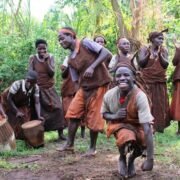
While on the cultural experience at the forest, tourists participate in traditional dance performances which display Rwanda’s cultural heritage, local groups displaying old dances accompanied by traditional drums and songs. Handcraft workshops which teach tourists basket weaving and pottery making using techniques that have been used from way back.


This platform has a great variety of games and the bonuses are actually useful. I’ve had a great time exploring vn39bet6com lately.
Login process is quick and the interface is very user friendly. I can place my bets without any hassle. Great job 3191combetlogin.
I have tried a few sites lately but this one feels the most reliable. Great game variety and no lag at all. Highly recommend idmustang77 to everyone.
A solid platform with a very fair system. I appreciate the transparency and the wide range of options available. Love 76nbetlogin.
Super reliable site. I’ve had some issues with other links before but this login page is stable and secure. Happy with the service at muliajitulogin.