
Mount Rwenzori National Park
Often known as the mountain of the moon, Mount Rwenzori National Park rises majestically in western Uganda along the Uganda and Democratic Republic of Congo border. The park was gazetted in 1991 and declared a UNESCO World Heritage Site in 1994 and later designated a Ramsar wetland of international importance in 2008, thus highlighting its ecological importance globally.
With an area cover of 996 square kilometres, it safeguards the central portion of the Rwenzori mountain range. The ranges include Mount Stanley, which is Africa’s third highest mountain, standing at 5,109 meters above sea level. The highest peak, Margherita, is permanently snowcapped, a unique feature that is so close to the equator. This rare geography makes the Rwenzori the most thrilling safari destination for an adventurous African safari.
The Rwenzori’s are a mysterious wonderland with their lower slopes covered in rich montane forests, bamboo woodlands and massive moorlands. As the altitude increases, the scenery changes into a botanical paradise where the giant lobelias, tree heathers and lasting flowers flourish among the moss draped rocks, hence creating a scene that feels like magic. The national park protects the highest parts of the Rwenzori range, sheltering over 70 mammal species and 217 bird species, including 19 Albertine rift endemics and some of the unique vegetation. These diverse ecosystems make it an important conservation area and a habitat for biodiversity.
Activities In Mount Rwenzori National Park
Mountain trekking
Trekking is the major activity offered to tourists while on a Uganda safari in Mount Rwenzori National Park. This is one of the most challenging but rewarding adventures in Africa, as it changes the wildlife safari into a genuine expedition through one of the world’s spectacular sceneries.
The treks range from 5 to 12 days, and they take you to the centre of the mountains. The two main routes are
- Central circuit trail
- Kilembe trail
- Central circuit trail
The central circuit trail is the most famous and classic route in the Rwenzori mountains, and it offers a complete trekking experience through all the major vegetation zones from the tropical rainforests to the afro alpine landscapes. The trail forms a loop through the central peaks, thus allowing trekkers to explore many valleys and ridges before returning back to the starting point.
Starting from the Nyakalengiya, the loop trail takes 7 to 9 days and offers access to major peaks, including Mount Stanley. The trek is physically demanding but well structured with mountain huts along the way, thus making it perfect for the trekkers searching for a complete and traditional African safari adventure.
- Kilembe trail
The Kilembe trail is much quieter and more scenic than the central circuit. It starts from the southern side of the Rwenzori Mountains next to the Kilembe. The route is famous for its rich valleys, various waterfalls and panoramic views, hence offering a more peaceful and less crowded Uganda safari experience. It takes about 6 to 8 days, thus offering a slightly more gradual climb while still being challenging. It’s ideal for the nature enthusiasts and photographers. The trail offers a calmer and more immersive trek, making it a rare choice for a wildlife safari.
- Climbing Mount Stanley
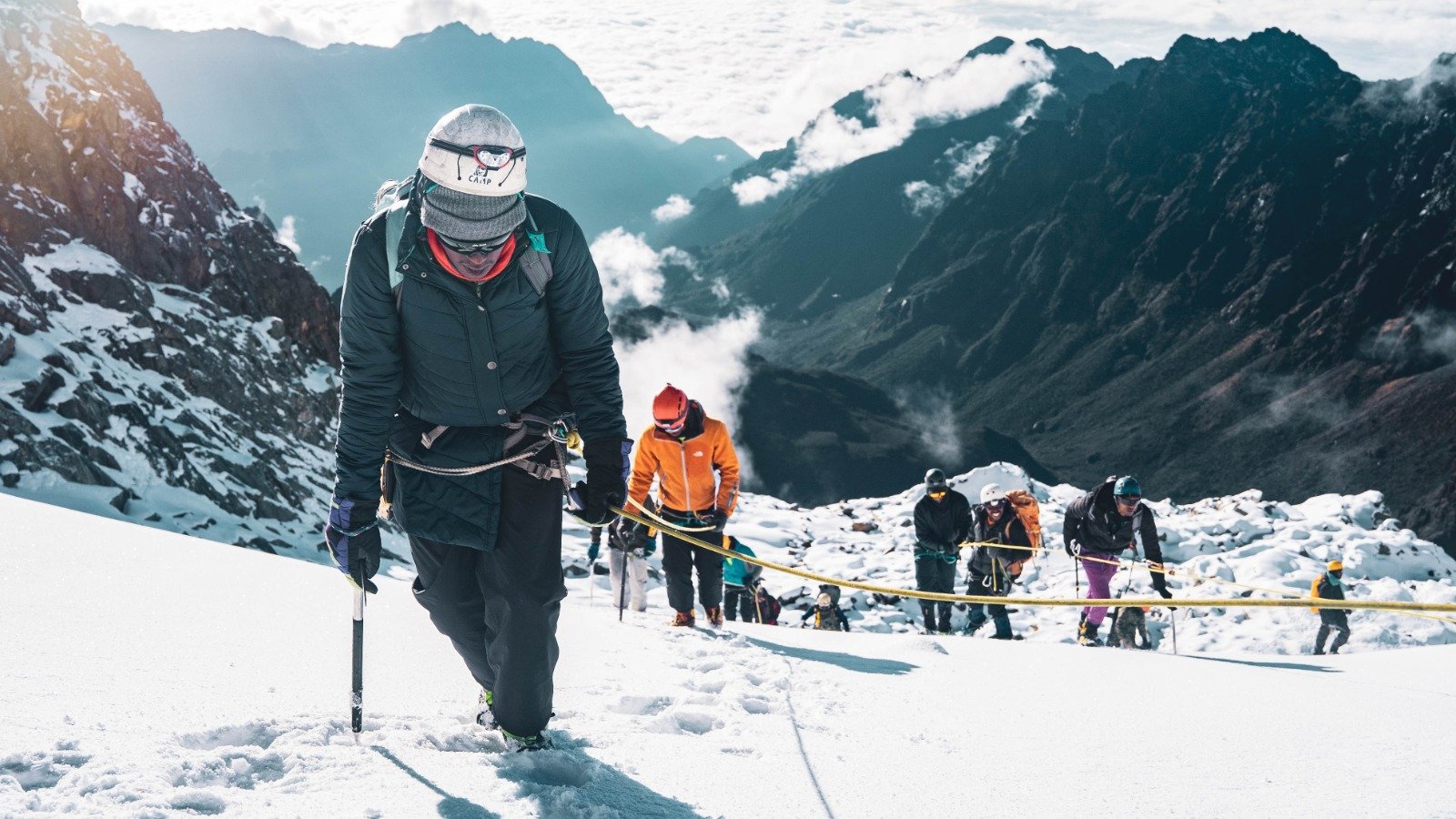
For tourists that are experienced at climbing, Mount Stanley, specifically Margherita Peak, is the final challenge. At over 5,000 meters, it’s the 3rd highest mountain and among the few places where you can encounter glaciers. The climb involves ice and glacier crossings; tourists use ropes and crampons and have to endure the high altitude.
Reaching the peak is a unique achievement and it offers beautiful and scenic views all over Uganda and Congo. The climb to the peak is not just a hike; it’s a complete scale mountaineering adventure that enhances the tourists’ Uganda safari into something that is unique.
Nature walks
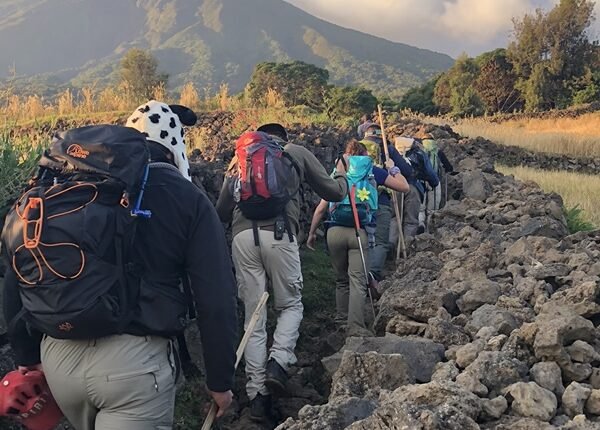
Guided nature walks are carried out in the communities of Ruboni and Turaco while on the Uganda safari. Tourists can as well follow the Mubuku River and have a view of Baker and Portal Peaks as you hike up. On clear days, hikers can spot the snowcapped Margherita Peak. The walks are shorter and less challenging but still rewarding and with the help of the guides, tourists can explore the forest trails that are rich in biodiversity and observe insects, butterflies and small wildlife species.
Nature Walks
Some of the popular hikes are found along the Kilembe trail as well as Mount Luigi da Savoia, which offers stunning views of the vegetation and patches of equatorial snow and glaciers. The Nyakalengiya trailhead provides a 2 day hike to the scenic Lake Mahoma in the bamboo forest; the Kazinga trail also offers a long hike to the North Rwenzori Ridge between the Fort Portal plateau and Bundibugyo town in the Semliki valley.
Birdwatching
The national park is a hidden treasure for birdwatchers with over 200 bird species that are recorded, including a number of endemic Albertine Rift species, hence offering a rich birding safari experience.
Birdwatching is thrilling due to the variations in altitude. As tourists move through different vegetation zones, one can encounter various bird species such as the forest birds within the lower slopes, moorland and alpine species at higher elevations, and the unique and endemic birds unique to the region. Some of the species include the Rwenzori blue turaco, Rwenzori batis, golden winged sunbird, the western green tinkerbird, and bee eaters, among others.
Early morning walks are more rewarding as the forest comes alive with the calls of the birds. Therefore, bird lovers on a Uganda safari tend to appreciate the chance to observe bird species that can be seen elsewhere.
Cultural experiences
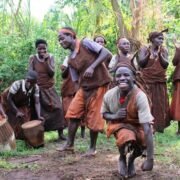
The foothills of the Rwenzori Mountains are homes to the Bakonjo people, who have a strong cultural and spiritual connection to the mountains. While on a cultural experience, tourists tend to engage with the local communities and have a glimpse into their way of life.
Tourists can participate in traditional music and dance performances of the Bakonjo people, learn about the local farming practices and food preparations, listen to stories and folklore about the mountains and visit community projects and craft centres.
These interactions add an important human element to the African safari, changing it from a natural experience into a cultural journey.
Photography
The Rwenzori Mountains are a dream safari destination for most of the photographers and nature lovers. The national parks’ landscapes are diverse and offer amazing opportunities for capturing memorable moments. Some of the highlights include
- Mist covered valleys and forest canopies
- Waterfalls falling down from the rocky cliffs
- Rare afro alpine plants such as giant lobelia
- Snowcapped peaks and glaciers
The light conditions keep changing throughout the day, hence creating different moods and perspectives. Early morning and late afternoon are perfect for taking pictures of the mountains.


The variety of games here is insane. I spent hours exploring different slots and they are all high quality. pkp998 is where the real action is.
The VIP treatment here is real. I feel valued as a player and the exclusive rewards are awesome. Join phvipjili for the premium experience.
I finally found a site that actually loads fast. The interface is super clean and getting started was a breeze. Definitely giving hulk123login a try tonight!