
Kidepo Valley National Park
Kidepo Valley National Park is Uganda’s most remote and least explored national park, but it is widely regarded as one of Africa’s most breathtaking wilderness areas. While on a Uganda safari, situated in the semi arid valleys of Karamoja, the national park borders South Sudan to the northwest and Kenya just 5 km to the east.
Kidepo national park was gazetted as a national park in 1962 thus making it a true safari wonder. The national park boasts an incredible variety of big game, rare landscapes and a number of bird species. The park is home to over 77 mammal species and 476 bird species, thus making it a major destination for wildlife enthusiasts and adventure lovers.
With an area cover of approximately 1,442 square kilometers, the national park is characterized by rugged mountain ranges, open plains and seasonal rivers. The park has two major valleys that is
- The Narus valley which is popular for its permanent water sources and a variety of wildlife.
- The Kidepo valley which is a remote and dry area with beautiful scenery.
The variety of scenery makes the national park one of the most scenic safari destinations for an african safari and a rare highlight of any Ugandan safari.
The Kidepo valley
The northern part of the national park, known as the Kidepo valley, offers a more remote and rugged experience. The national park obtained its name from the Kidepo valley and the valley is famous for its striking Borassus palm trees, which are a sweetmeat for elephants and the indigenous communities that are scattered through the valley. It’s possible that the name was gotten from the various communities who moved into the valley to pick fallen ripe Borassus palm fruits for domestic use in the dry season.
In the valley, there is a seasonal Kidepo river that flows north into south Sudan where the Narus river supplements it before pouring into the white Nile. In the rainy season, the valley floods and the Kidepo river is an intimidating river that the strong creatures can cross.
In the dry season, the vegetation dries up to bare white dunes. The Kidepo river is dry until the next rainy season. Wildlife species move from the Kidepo valley to the Narus valley searching for food and water to survive on.
Narus valley
The name “Narus” within the Karamojong people means muddy or soggy ground. The Karamoja district is a semi arid region with high temperatures, low rainfalls and semi-arid vegetation that holds water for a very long period.
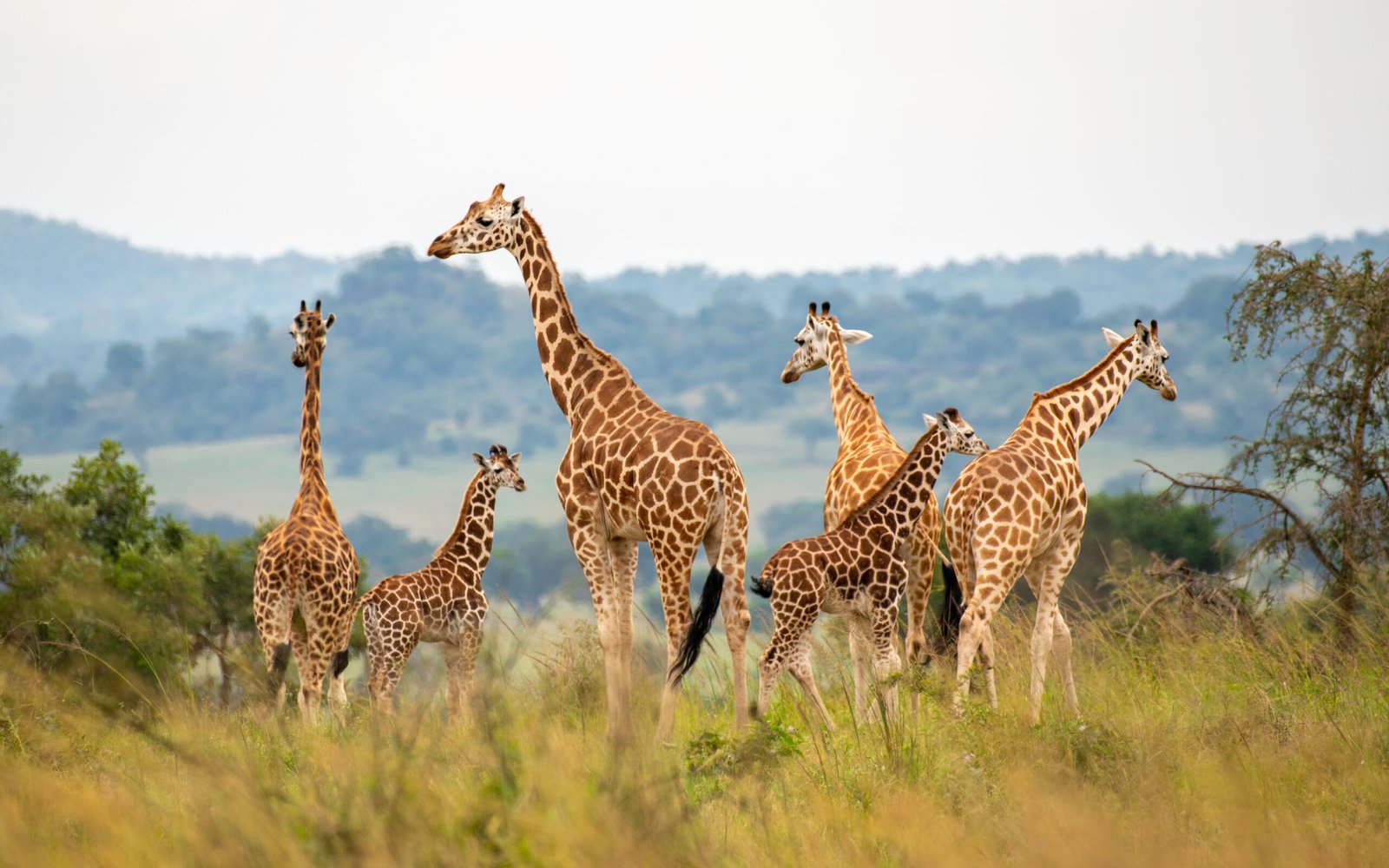
The river floods during the rainy season and flows northwest of the Kidepo valley national park. the oases are retained by the Narus valley even in the dry season when most of the region gets semi desert. Tourists on a Uganda safari within Kidepo Valley National Park find the valley to be the arena of the tourism drama. The Narus valley is the best place to spot lions, buffaloes, zebras, hartebeests, giraffes, cheetah, leopard, waterbuck and a number of bird species.
ACTIVITIES IN KIDEPO VALLEY NATIONAL PARK
Visiting Kidepo valley national park provides one of the most genuine and untouched experiences in Africa. popular for its rugged scenery and remote location, the national park offers a wide range of activities that make it a top safari destination for a Uganda safari.
Game drives
Game drives within Kidepo valley are a major highlight for visiting the national park. the parks huge savannah plains, especially within the Narus valley are rich in wildlife. Game drives are carried out in a safari vehicle with the help of a professional guide who helps in observing various animals.
The game drives within the park are carried out in different schedules, that is,
- Morning game drives, which are done in the morning at around 6am. In the morning there are high chances of observing a number of animals when they are most active. While on a morning game drive, tourists spot animals such as elephants, giraffes, zebras, Uganda Kobs, elands, oribi, klipspringers, lesser kudus, and Guenther’s Dik Dik among others as they are grazing and predators such as lions, leopards, cheetahs, bat eared fox and side-striped jackals. Tourists will also visit the kanangarok hot springs, where they will have amazing views of the mountains.
- Evening game drives also start after lunch at 2pm and while on the drive, you will visit the Narus valley which has permanent water sources that attract large numbers of wildlife, especially in the dry season.
- The night game drives are always carried out after dinner, and tourists will be accompanied by a park guide who helps spot nocturnal animals and uses spotlight torches for clear viewing. Nocturnal animals include caracals, leopards, cheetahs, hyenas, wild dogs, side-striped jackals and many more.
Birdwatching

Birding in Kidepo
The national park is a haven to more than 475 recorded bird species, including endemic birds, savannah birds, and migratory birds, which makes it one of the best safari birding areas on a Uganda safari.
while on the birding safari, tourists should look out for birds such as the Karamoja apalis, yellow rumped seed eater, superb starling, pygmy falcon, kori bustard, greater kestrel, slate coloured boubou, scarlet chested sunbird, African swallow tailed kite, long tailed nightjar, African grey flycatcher, Abyssinian ground hornbill, rufous crowned roller and many more. The park’s diverse habitats make it perfect for both starters and experienced birders on a Uganda safari.
Nature walks
The nature walks within the Kidepo national park offers an opportunity to tourists to explore the national park while on foot. While on the naturewalk safari, tourists are accompanied by an experienced guide who knows the walking trails within the park and an armed ranger to protect them from danger.
Nature walks within the national park are carried out in designated places, such as the Narus Valley, Namamukweny Valley, and Kidepo Plains, which lead you to the Morungole Mountains, where you will meet with the IK people. The nature walks start at 7am at the Apoka tourism office and tourists will have the chance to spot reedbucks, waterbucks, zebras, giraffes, elephants and buffaloes, among others.
Cultural encounters
Cultural safaris within Kidepo valley national park offers tourists an opportunity to interact with the local people, such as the karamajong who live in the neighbouring villages and the IK people, who live on the top of Morungole mountain.
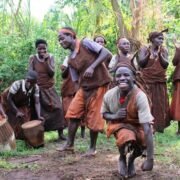
During the encounter, you will learn about their culture, lifestyle, history, and way of living; visit their locally constructed manyatta homesteads; learn how to make their traditional instruments like beads, stools, and spears; learn how bride price is determined in their culture; and enjoy their cultural entertainments in the form of music, dance and drama.



I love how stable the login process is. No more annoying crashes when I’m on a winning streak! bw777login
Really impressed with the payout speed here. Everything is handled professionally and the games are top notch. Highly recommend idnibung88
The download process was a breeze and the app runs perfectly on my phone. No lags and the graphics are crisp. Cheers to r777gamedownload
The login process is secure and fast. I love how stable the connection is even during peak hours. Log in at 333winlogin!