
Bwindi Impenetrable National Park
Bwindi Impenetrable National Park is situated in southwestern Uganda on the boundary of the rift valley and it’s one of the most ancient and biologically diverse rainforests in Africa. Bwindi national park has an annual mean temperature range of a minimum of 7 to 15 degrees Celsius to a maximum of 20 to 27°C. The annual rainfall ranges from 1,400 to 1,900 millimetres, and the heavy rains start from march to April and from September to November.
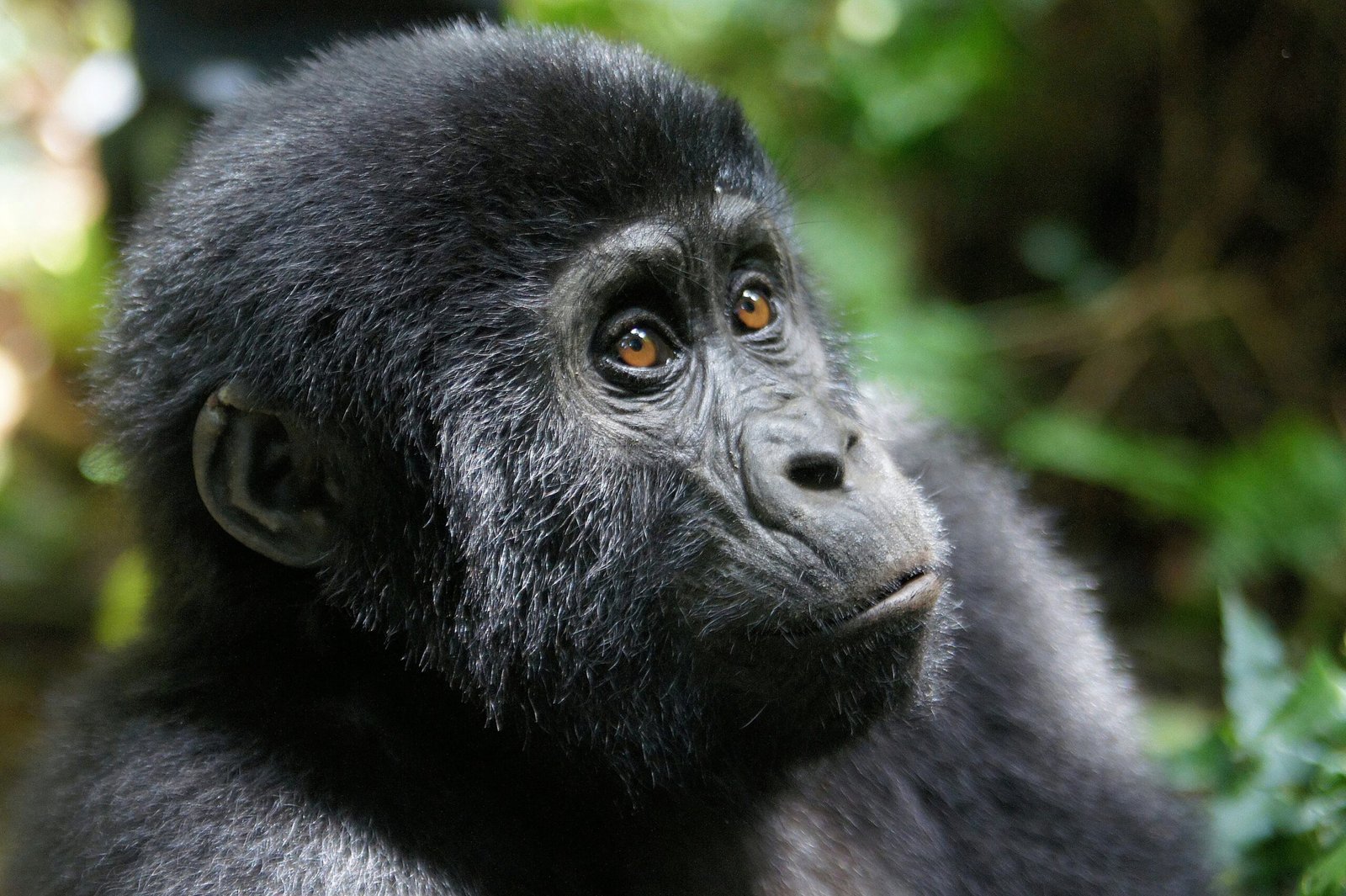
Bwindi impenetrable national park became famous because of gorilla trekking. The forest is home to more than half of the world’s remaining mountain gorilla population. These primates are endangered species and the forest has over 400 mountain gorillas. The gentle giants are endangered species due to poaching, habitat loss and diseases.
The national park has an area cover of 331 square kilometers, and it’s situated in the high areas of the kigezi highlands with an altitude of 1,190 to 2,607 meters above sea level. The national park is bordered by the Democratic Republic of Congo on the west and Kabale Town to the southeast. It’s the nearest town to the park, approximately 29 kilometers away from the road.
THE SECTORS OF BWINDI IMPENETRABLE NATIONAL PARK
The national park is divided into four major trekking sectors that is nkuringo, ruhija, rushaga and Buhoma. Every sector provides an extraordinary experience, thus allowing tourists to modify their Uganda safari based on their travel style and preferences. Knowing these sectors is important and helps in planning a soft and memorable gorilla trekking safari.
Rushaga sector
The sector is located in the southern part of Bwindi, and it’s the largest and most diverse. The Rushaga sector has the highest number of mountain gorilla families that are ready to be trekked while on a Uganda safari.
The sector is unique because it provides gorilla habituation experiences to tourists, where they spend 4 hours with the gorilla family. Therefore, for tourists seeking a more captivating african safari, gorilla habituation is a major focus. The sector has the following gorilla families:
- Nshongi gorilla family
- Kahungye gorilla family
- Busingye gorilla family
- Mishaya gorilla family
- Bweza gorilla family
Ruhija sector
Located in the eastern part of Bwindi impenetrable forest. The sector has 3 gorilla families where the gorilla trekking activity takes place. These include
- Bitukura gorilla family
- Oruzogo gorilla family
- Kyaguliro gorilla family
The Ruhija sector is famously known for the high altitude and cooler climate that supports the luxurious diversity of birdlife. While on a Uganda safari, tourists will find out the sector is so much more rewarding as it hosts many Albertine rift endemic species.
Nkuringo sector
The nkuringo sector is found in the southern part of Bwindi and is famous for its rugged landscapes and challenging treks. The Nkuringo is ideal for tourists that are adventurous and are searching for a more challenging african safari.
This sector has 3 gorilla families that are fully habituated, thus making the place less crowded. These include
- Nkuringo gorilla family
- Bikingi gorilla family
- Bushaho gorilla family
Tourists searching for a true Uganda safari, the nkuringo sector provides privacy and a sense of wilderness.
Buhoma sector
The Buhoma sector is situated in the north region of the forest. It’s the most developed sector of all. This was so because it was the first sector for gorilla trekking in Uganda. The first gorilla family to be habituated in 1992 was the Mubare gorilla family and trekking started in 1993 for the public.
The sector is habitat to 3 habituated families and these include
- Mubare gorilla family
- Habinyanja gorilla family
- Rushegura gorilla family
The sector is easily accessible by tourists using various routes such as from Kabale, using kihihi airstrip and from Queen Elizabeth National Park, since its near the ishasha sector in the southern part of the Queen Elizabeth National Park.
ACTIVITIES IN BWINDI IMPENETRABLE NATIONAL PARK
A safari to Bwindi forest provides tourists more than gorilla trekking. This makes it the most rewarding safari destination for an African safari. These include
Gorilla trekking
Gorilla trekking is the most popular activity within the national park, thus making it the major reason as to why tourists embark on a Uganda safari. The trekking activity is physically demanding, hence making it an adventurous activity where a group of 8 people get to trek through the forest. With the help of park rangers and porters, tourists head into the deep forest to see the fully habituated mountain gorillas within their natural environment.
The national park has 4 gorilla trekking sectors: Buhoma, Rushaga, Ruhija, and Nkuringo. The closeness of the park to Rwanda allows tourists to combine Ugandan and Rwandan gorilla trekking experiences in one itinerary.
Gorilla habituation experience
The gorilla habituation experience only takes place in Uganda and that’s in the Rushaga sector. Therefore, for tourists searching for a more intense encounter, the habituation experience is a must-visit.
The gorilla habituation experience only allows 4 tourists to head into the forest with the help of researchers, porters and experienced guides to go and meet a group of semi-habituated gorillas within their natural environment. Tourists spend 4 hours with these gentle giants.
The gorilla habituation is a process where mountain gorillas are trained to get used to the presence of humans within their environment. Since the process is intimate, only 4 tourists are allowed to experience it per day.
Birdwatching
The national park is home to over 320 bird species and it’s only 23 species that are endemic to the Albertine rift. Some bird species include the western green tinkerbird, african wood owl, regal sunbird, collared apalis, Montana oriole, short-tailed warbler, Kivu ground thrush, Shelley’s crimsonwing and black-breasted barbet, among others.

Birding in Bwindi
Nature walks and forest hikes
The national park provides guided nature walks, which allow tourists to explore it beyond gorilla trekking. The most popular hiking trails in Bwindi National Park include
- Waterfall trail
- Munyaga river trail
- Habinyanja trail
- Ivy river trail
- Muzabajiro trail
- Bamboo trail
- Kashasha river trail
While on these trails, tourists can encounter birds, butterflies, monkeys, and plant species, making the Uganda Safari memorable.
Batwa cultural experience
A Uganda safari in Bwindi is incomplete without visiting the Batwa people who were the original forest inhabitants of the forests. The Batwa lived in the forest as hunters and gatherers for centuries before the forest became a national park.
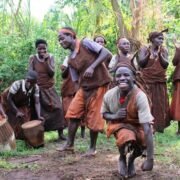
Tourists join the Batwa, where they learn about their traditional way of life, survival skills, and a deep connection to the forest. This involves performances of traditional songs and dances and demonstration of hunting techniques as well as storytelling, which offers insight into the ancient culture.



I’ve tried many platforms but this one is really smooth. The games load fast and the payouts are fair. Highly recommend ph365jili to everyone!
This platform really knows how to treat its players. The VIP feel is real and the gameplay is top notch. I’m spending a lot of my free time on 345vipjogar lately.