
Gorilla Trekking and Primate Trekking in Uganda
- Home
- Destination
- Gorilla Trekking and Primate Trekking in Uganda

Gorilla Trekking and Primate Trekking in Uganda: The Ultimate Adventure and Eco-Tourism Experience.
If you’re an adventure traveler or eco-tourism enthusiast looking for a once-in-a-lifetime experience, gorilla trekking and primate trekking in Uganda should be at the very top of your bucket list. Uganda, known as the “Pearl of Africa,” offers some of the most breathtaking landscapes and the rarest wildlife encounters on the planet. Nestled in the heart of East Africa, Uganda is one of only three countries in the world where you can see endangered mountain gorillas in their natural habitat. Combined with lush tropical rainforests, rich biodiversity, and a strong commitment to sustainable travel, Uganda has become a top destination for primate safaris and eco-conscious adventure seekers.
Discover the Best Place to See Gorillas in Africa
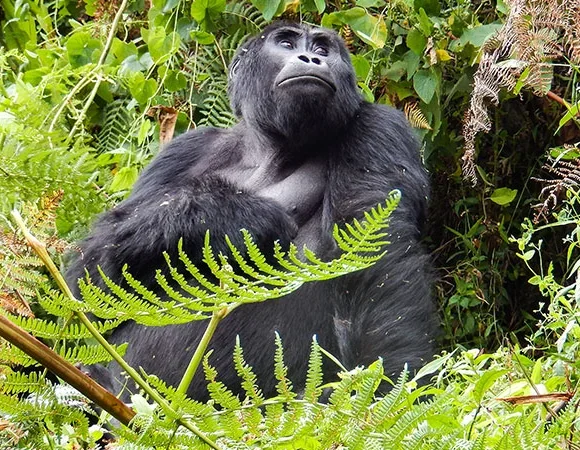
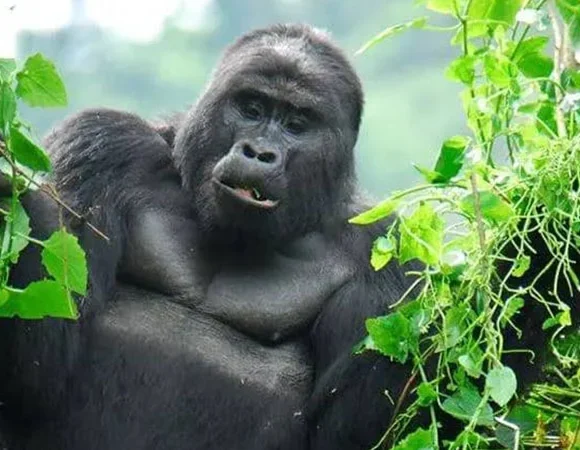
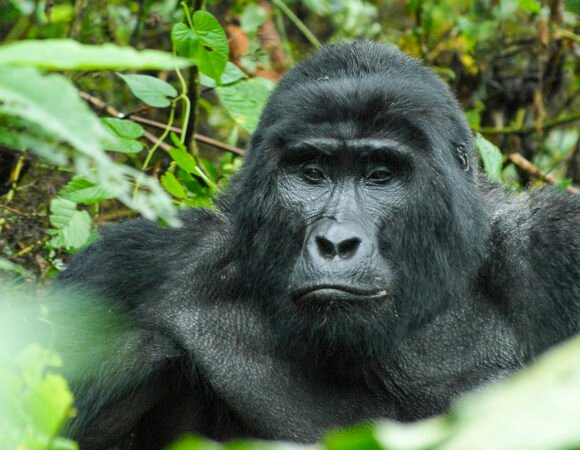
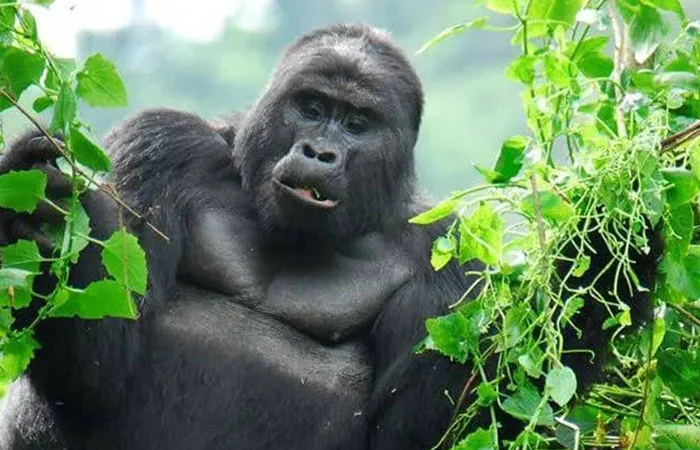
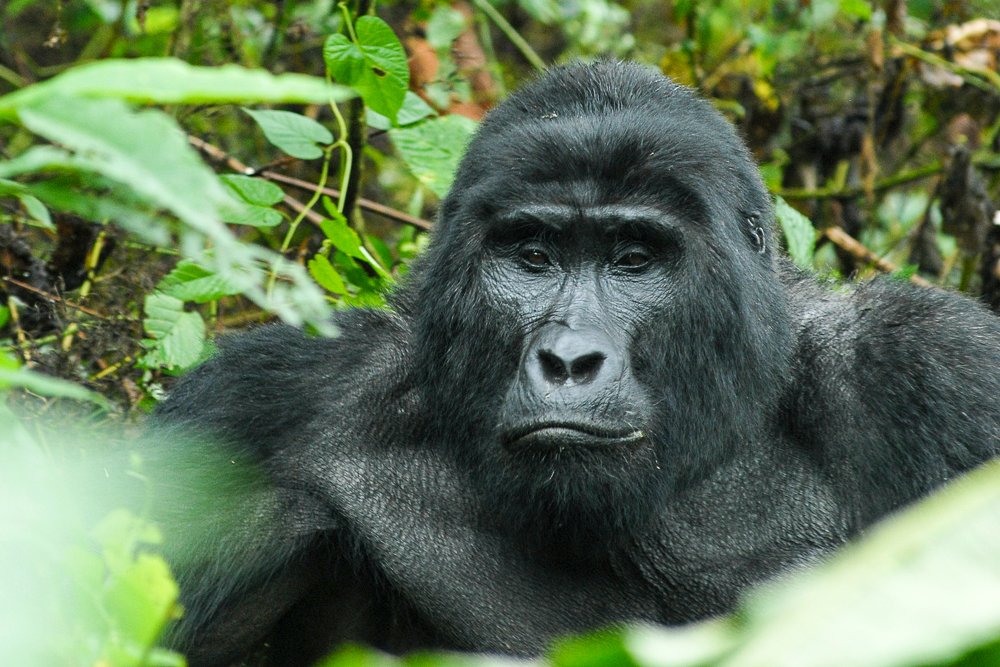
When travelers search for the best place to see gorillas in Africa, Uganda consistently ranks among the top destinations. The country is home to more than half of the world’s remaining mountain gorilla population, found in two main locations: Bwindi Impenetrable National Park and Mgahinga Gorilla National Park. These parks offer some of the most accessible and immersive gorilla trekking experiences in the world.
Bwindi Impenetrable Forest, a UNESCO World Heritage Site, is the crown jewel of Uganda’s wildlife tourism. With over 20 habituated gorilla families, Bwindi offers multiple trekking sectors—Buhoma, Rushaga, Ruhija, and Nkuringo—each providing a unique gorilla trekking adventure. Hikers often describe the experience as magical, emotional, and transformative. The trek can take anywhere from 2 to 8 hours, depending on the gorilla group’s location, and the terrain is rugged yet rewarding. For many, the moment they lock eyes with a silverback gorilla in the mist is the pinnacle of their travel journey.
Mgahinga Gorilla National Park, located in the Virunga Mountains, also offers incredible gorilla safaris in Uganda, with fewer crowds and stunning volcanic scenery. The park is home to the Nyakagezi gorilla family, and due to its elevation and cooler climate, the trek here offers a different kind of wilderness adventure. Mgahinga is also the only park in Uganda where visitors can see golden monkeys, making it a great two-in-one destination for primate lovers.
Chimpanzee Trekking in Uganda: A Thrilling Wildlife Encounter
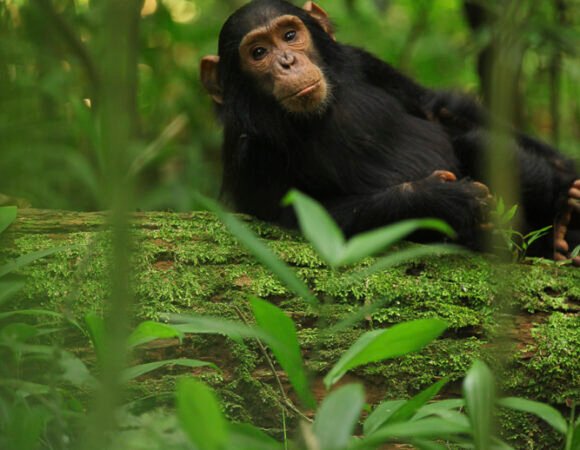
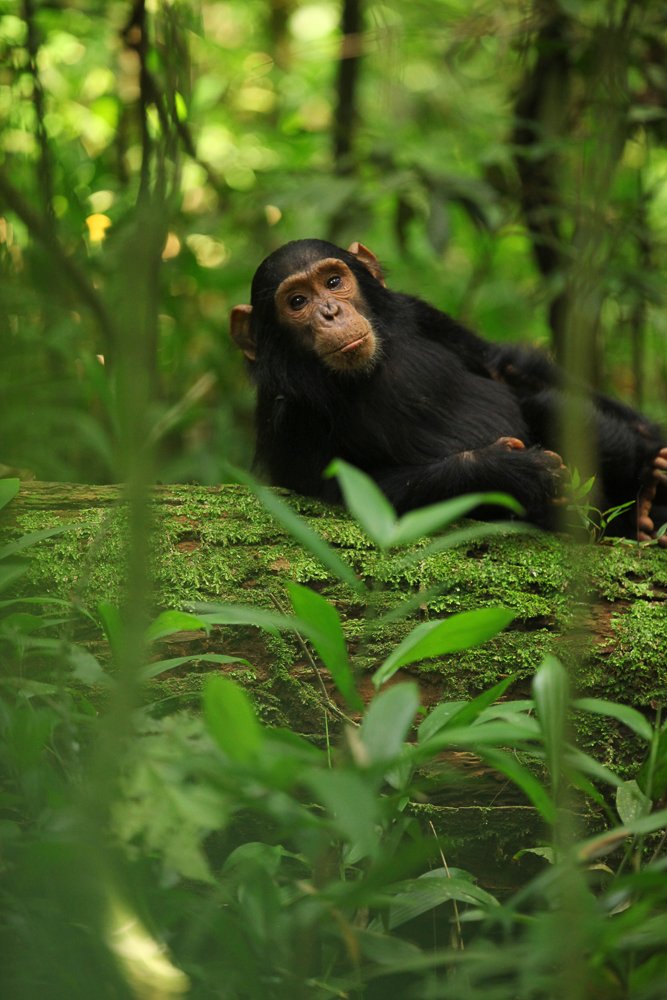
Beyond gorillas, Uganda is famous for its diverse range of primates. Chimpanzee trekking in Uganda is another thrilling highlight for wildlife enthusiasts and adventurers. The top locations for chimpanzee tracking include Kibale Forest National Park, Budongo Forest, Kyambura Gorge, and Semuliki National Park.
Kibale Forest National Park, often referred to as the “primate capital of the world,” is the premier chimpanzee trekking destination in East Africa. With over 1,500 chimpanzees and 13 other primate species, Kibale offers an unmatched biodiversity experience. Guided treks take visitors deep into the rainforest, where they can observe chimps as they swing through the canopy, groom each other, and vocalize with astonishing intensity. The park also offers a chimpanzee habituation experience, which allows travelers to spend an entire day with a chimp family—a more immersive and educational eco-tourism opportunity.
Other spots like Budongo Forest, within Murchison Falls National Park, provide excellent chimp tracking experiences with fewer tourists. Kyambura Gorge, known as the “Valley of Apes,” is an underground forest where a small group of habituated chimpanzees roam, offering a remote and intimate trekking adventure.
Eco-Tourism and Conservation: Travel with a Purpose.
What makes primate trekking in Uganda particularly special is the country’s strong commitment to eco-tourism and sustainable travel. Both gorilla and chimpanzee trekking are carefully managed by the Uganda Wildlife Authority (UWA) to ensure minimal impact on the environment and the primates themselves. Only small groups of trekkers are allowed each day, and permits are limited to reduce stress on the animals.
Tourism revenue goes directly into conservation efforts and supports local communities surrounding the parks. Many lodges and safari operators partner with local conservation NGOs, creating jobs and incentivizing forest preservation. This model of responsible tourism helps protect critical habitats and provides long-term benefits for wildlife and humans alike.
By choosing a sustainable gorilla trekking safari in Uganda, you’re not only experiencing one of the world’s most extraordinary wildlife encounters but also contributing to the protection of endangered species and rainforest ecosystems.
Adventure Travel in Uganda: More Than Just Gorillas
For those who crave adventure and off-the-beaten-path exploration, Uganda offers so much more than gorilla trekking. Most primate treks involve hiking through rugged rainforests, crossing streams, and navigating steep trails, all of which make for a challenging and rewarding adventure holiday. You can combine your primate safari with white-water rafting on the Nile, volcano hiking in the Virunga Mountains, or safari game drives in parks like Queen Elizabeth or Murchison Falls.
Trekking permits can be arranged as part of multi-day itineraries that include luxury, mid-range, or budget accommodations. Whether you’re a solo traveler, couple, family, or group tour, Uganda has an adventure itinerary for every style and budget. Popular safari combinations include a 10-day gorillas and wildlife safari, a 7-day chimpanzee and crater lakes tour, or a 3-day Bwindi gorilla trekking tour—all of which are top-searched terms for Uganda safaris.
Best Time for Gorilla and Primate Trekking in Uganda
If you’re planning your Uganda gorilla trekking tour, it’s essential to know the best time to go. The dry seasons—from December to February and June to September—offer the most favorable trekking conditions with less rain and easier trails. These months are also high season, so it’s recommended to book your gorilla permits in advance. Trekking is still possible in the wet season, and permits are often more readily available, but the trails can be slippery, and sightings may be more challenging.
Regardless of the season, the rewards of seeing gorillas in the wild are unmatched. Most visitors describe it as a spiritual or humbling encounter, where time seems to stand still in the presence of these magnificent primates.
How to Book Gorilla Trekking in Uganda: Permits and Costs
A common question travelers ask is: “How much does gorilla trekking in Uganda cost?” As of 2025, a standard gorilla trekking permit costs $800 per person for foreign non-residents, $700 for foreign residents, and UGX 300,000 for East African citizens. These permits are issued by the Uganda Wildlife Authority and include the cost of park entry and one hour with a habituated gorilla family.
Permits for chimpanzee trekking range between $50 and $250, depending on the park. It’s highly recommended to book through a trusted local tour operator who can arrange permits, guides, transportation, and accommodation. This not only ensures a smoother experience but also supports the local tourism economy.
Why Choose Uganda for Gorilla and Primate Trekking?
Uganda stands out as the best destination for gorilla and primate trekking due to its biodiversity, eco-tourism values, affordability, and accessibility. Compared to Rwanda, Uganda offers a more budget-friendly option with the same level of experience and a wider variety of primate species to see. From red-tailed monkeys to L’Hoest’s monkeys, baboons, and colobus monkeys, primate lovers are guaranteed to be amazed.
Moreover, Uganda’s warm hospitality, scenic landscapes, and low visitor density mean you’ll enjoy a more intimate and authentic experience. Whether you’re an eco-traveler, wildlife photographer, or adventure junkie, a Uganda primate safari will change the way you see the world.
Embark on a Life-Changing Primate Safari in Uganda
Gorilla trekking and primate trekking in Uganda are more than just wildlife tours—they are transformative adventures that connect you deeply with nature, support vital conservation work, and immerse you in the heart of East Africa’s rich biodiversity. As you plan your next great journey, consider Uganda not just as a travel destination, but as a living, breathing example of eco-tourism done right.
So, lace up your hiking boots, grab your binoculars, and get ready for the ultimate Uganda adventure safari—one that brings you face-to-face with mountain gorillas, chimpanzees, and the wild spirit of Africa.